 989-778-1425
  866-287-5136


CPAP Alternatives: What to Do When CPAP Isn't Working for You

If you've tried CPAP therapy and found yourself leaving the mask on the nightstand more often than wearing it, you're not alone. Studies show that 30-50% of patients struggle with CPAP compliance, despite it being the most prescribed treatment for obstructive sleep apnea. The good news? CPAP isn't your only option.
At TriCity Lung & Sleep, we work with patients across Bay City, Caro, and Bad Axe who need alternatives that actually fit their lives. Whether you can't tolerate the mask, travel frequently, or simply want a less intrusive solution, effective alternatives exist—and choosing the right one starts with understanding your options.
Why CPAP Compliance Is So Challenging
CPAP therapy works by delivering continuous air pressure through a mask to keep your airway open during sleep. It's highly effective when used consistently—but that's where many patients struggle.
Common CPAP challenges include:
Mask discomfort and fit issues. Finding the right mask can take multiple attempts, and even then, some patients find any mask uncomfortable or claustrophobic.
Dry mouth and nasal congestion. The constant airflow can cause dryness, even with a humidifier. Some patients develop nasal irritation or congestion that makes nightly use difficult.
Skin irritation and pressure marks. Masks can cause redness, sores, or indentations on the face, especially for side sleepers who shift positions during the night.
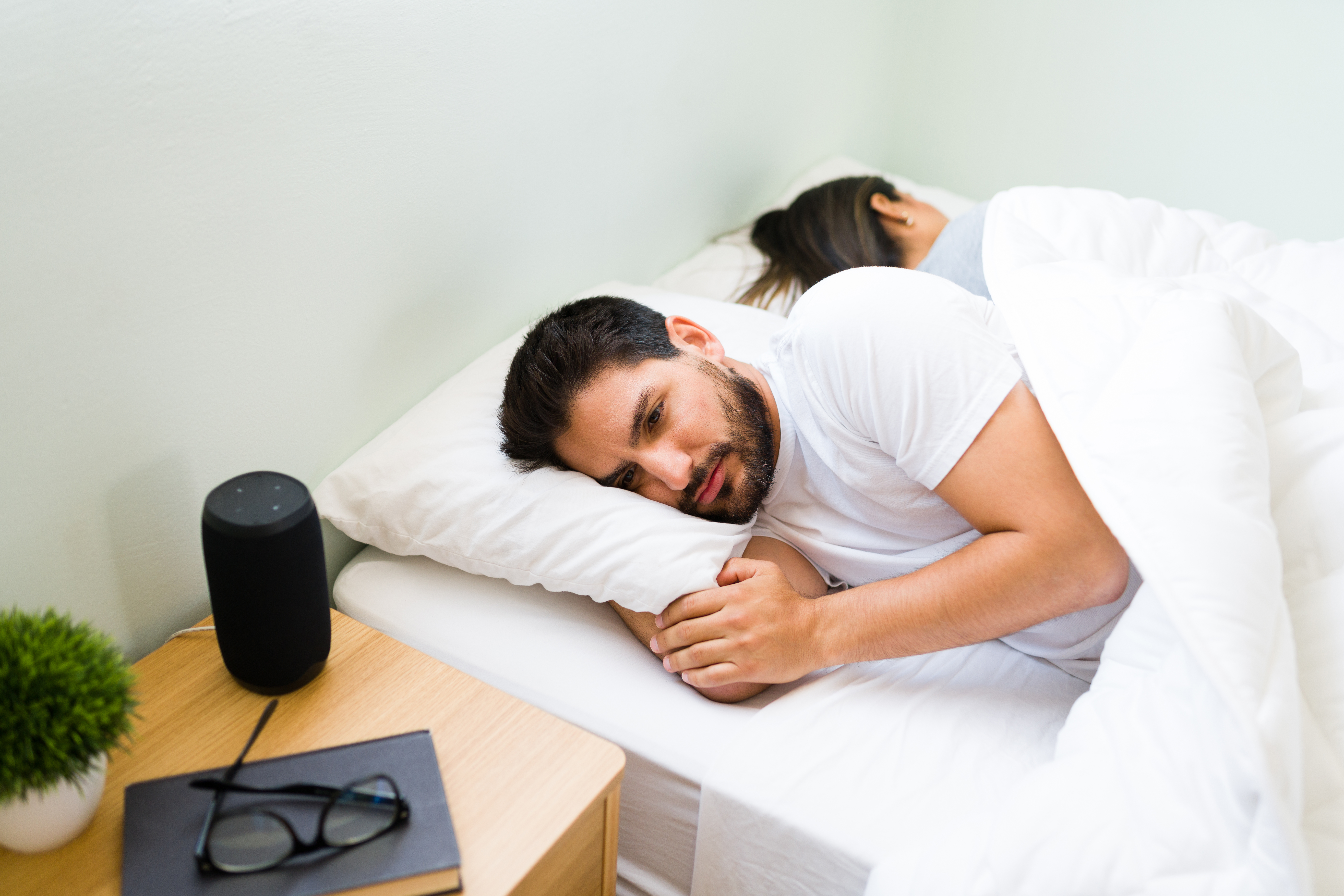
Difficulty sleeping with a partner. The noise from the machine, air leaks from the mask, or the physical barrier of tubes and equipment can interfere with intimacy and cause relationship strain.
Travel inconvenience. CPAP machines are bulky, require power, and need regular cleaning—making them cumbersome for frequent travelers.
Feeling tethered to equipment. Many patients simply don't want to feel connected to a machine every night for the rest of their lives.
Here's the critical point: an effective treatment is one you'll actually use. A CPAP machine that sits unused doesn't treat your sleep apnea—and untreated sleep apnea significantly increases your risk of high blood pressure, heart disease, stroke, and diabetes. That's why finding the right alternative matters.
CPAP Alternative #1: Inspire Therapy (Hypoglossal Nerve Stimulation)
For patients with moderate to severe obstructive sleep apnea who have tried and struggled with CPAP, Inspire therapy represents one of the most significant advances in sleep apnea treatment.
How Inspire Works
Inspire is a small, fully implantable device that works from inside your body. It delivers gentle stimulation to the hypoglossal nerve, which controls tongue movement. This stimulation keeps your tongue and soft tissues from blocking your airway while you sleep.
The system includes three components: a small generator implanted under the skin near your collarbone, a breathing sensor placed near your ribs, and a stimulation lead attached to the hypoglossal nerve. You control the device with a simple remote—turn it on at bedtime, turn it off when you wake up.
Who Inspire Is Right For
Inspire may be a good fit if you:
- Have moderate to severe obstructive sleep apnea (AHI 15-65)
- Have tried CPAP and cannot tolerate it or get consistent benefits
- Are not significantly overweight (BMI typically under 35)
- Do not have complete blockage in certain areas of the airway
A thorough consultation and a drug-induced sleep endoscopy help determine if you're a candidate.
Real-World Results
Clinical studies show that 91% of Inspire users prefer it over CPAP. Partners report a 90% reduction in snoring. Most patients notice significant improvement in sleep quality and daytime energy within weeks of activation.
The battery lasts approximately 10 years and can be replaced with a simple outpatient procedure. Typical follow-up involves 1-2 visits per year with your sleep specialist.
TriCity Lung & Sleep offers Inspire therapy to eligible patients across the Tri-City and Thumb regions. Our board-certified team guides you through evaluation, coordinates with the surgical team, and provides long-term management and device optimization.
CPAP Alternative #2: Oral Appliances
Oral appliance therapy has emerged as a proven alternative for many patients with mild to moderate obstructive sleep apnea. These custom-fitted devices are worn only during sleep and work by repositioning your jaw or tongue to keep your airway open.
Types of Oral Appliances
Mandibular Advancement Devices (MADs) are the most common type. They look similar to a mouthguard and work by holding your lower jaw in a slightly forward position. This forward positioning prevents your tongue and soft tissues from collapsing backward and blocking your airway.
Tongue Retaining Devices (TRDs) use gentle suction to hold your tongue in a forward position during sleep. They're often better tolerated by patients who cannot comfortably have their jaw advanced or who lack enough teeth for a MAD to attach properly.
Who Oral Appliances Work Best For
Research shows oral appliances are most effective for patients with:
- Mild to moderate obstructive sleep apnea (AHI 5-30)
- BMI under 30
- Retrognathia (recessed jaw) or tongue-based obstruction
Success rates for oral appliances in appropriately selected patients approach 80-90% for mild cases and 50-60% for moderate cases.
The Process and What to Expect
Oral appliance therapy requires coordination between your sleep specialist and a qualified dentist trained in dental sleep medicine. The process includes:
- Comprehensive sleep evaluation to confirm diagnosis and severity
- Dental evaluation to assess your bite, jaw, and oral health
- Custom device fitting using precise impressions
- Follow-up adjustments over several weeks to optimize positioning
- Follow-up sleep study to verify the appliance is effectively treating your apnea
Advantages and Considerations
Oral appliances offer significant advantages: they're portable, silent, easy to travel with, and require no power source. Most patients adapt quickly, though some experience minor jaw stiffness or increased saliva production initially.
Long-term monitoring is important. Annual dental checkups ensure the device hasn't caused unwanted tooth movement or bite changes. Follow-up sleep studies confirm ongoing effectiveness.
It's critical to work with qualified providers. Over-the-counter devices sold online lack proper customization and medical oversight, potentially leaving your sleep apnea inadequately treated even if snoring improves.
CPAP Alternative #3: Positional Therapy
For some people, sleep apnea occurs primarily or exclusively when sleeping on their back—a condition called positional obstructive sleep apnea (POSA). When lying supine, gravity causes the tongue and soft tissues to fall backward, narrowing the airway.
How Positional Therapy Works
Positional therapy uses various methods to keep you sleeping on your side, where your airway stays more open:
- Specialty pillows with arm supports that make side sleeping comfortable
- Positional devices worn on the back that vibrate or create discomfort when you roll onto your back
- Wearable sensors that provide gentle feedback to encourage side sleeping
Who Benefits from Positional Therapy
Positional therapy is most effective for patients whose apnea is significantly worse when sleeping supine. A sleep study report will show if your AHI increases dramatically in the supine position compared to side sleeping.
Research shows that preventing back sleeping can reduce AHI by 50% or more in appropriate candidates. However, positional therapy typically works best as part of a combined approach rather than as a standalone treatment, especially for moderate to severe cases.
CPAP Alternative #4: Lifestyle Modifications and Weight Management
While lifestyle changes alone rarely cure obstructive sleep apnea, they play a crucial supporting role in any treatment plan and can significantly improve outcomes.
Weight Loss
Excess weight, particularly around the neck and upper body, is a major contributor to sleep apnea. Studies show that losing 10% of body weight can reduce AHI by approximately 30% in many patients. However, most patients with moderate to severe sleep apnea still require ongoing medical treatment even after successful weight loss.
Weight management is most beneficial as part of a comprehensive treatment plan that includes CPAP alternatives like Inspire or oral appliances. The combination often produces better results than either approach alone.
Other Supportive Strategies
- Avoiding alcohol and sedatives before bed, which relax throat muscles and worsen airway collapse
- Quitting smoking, which increases inflammation and fluid retention in the upper airway
- Treating nasal congestion or allergies that contribute to mouth breathing
- Maintaining consistent sleep schedules to improve overall sleep quality
CPAP Alternative #5: Surgical Options
When conservative treatments haven't provided adequate relief, surgical interventions may be considered. Surgery aims to remove or reposition tissues that block the airway.
Common surgical procedures include:
Uvulopalatopharyngoplasty (UPPP) removes excess tissue from the throat to widen the airway. Success rates vary significantly depending on the specific anatomical obstruction.
Maxillomandibular Advancement (MMA) repositions the upper and lower jaw bones forward, enlarging the entire airway. MMA has among the highest success rates for surgical treatment but is also the most invasive option.
Nasal surgeries correct structural issues like a deviated septum or enlarged turbinates that contribute to airway obstruction.
Surgery is typically reserved for patients with significant anatomical abnormalities and is rarely a first-line treatment. Thorough evaluation by an experienced sleep surgeon is essential to determine if you're a candidate and which procedure would be most beneficial.
Choosing the Right Alternative: A Personalized Approach
The most important principle in treating sleep apnea is this: the best treatment is the one you'll use consistently.
Success depends on matching the right alternative to your specific situation:
- Severity of your sleep apnea (mild, moderate, or severe)
- Anatomical factors (jaw structure, tongue size, airway anatomy)
- Medical considerations (BMI, other health conditions)
- Lifestyle needs (travel, bed partner, comfort preferences)
- CPAP experience (never tried, couldn't tolerate, partially effective)
At TriCity Lung & Sleep, we don't take a one-size-fits-all approach. Our board-certified team conducts comprehensive evaluations to understand your unique situation and recommend the alternatives most likely to succeed for you.
What to Expect: The Evaluation Process
Finding your right CPAP alternative starts with a thorough assessment:
- Review your sleep study results to understand the type and severity of your sleep apnea
- Discuss your CPAP experience to identify specific challenges and what you've tried
- Evaluate your anatomy through physical examination and, when needed, advanced imaging
- Consider your medical history and lifestyle to determine which alternatives are safe and practical
- Coordinate with specialists as needed (dentists for oral appliances, surgeons for Inspire evaluation)
For any alternative treatment, follow-up sleep testing is essential. This objective measurement confirms that your new approach is effectively controlling your sleep apnea, not just reducing symptoms. Feeling better is important, but verification ensures your health risks are truly being addressed.
The Bottom Line: You Have Options
If CPAP isn't working for you, don't give up on treatment. Untreated sleep apnea has serious health consequences, but effective alternatives exist.
At TriCity Lung & Sleep, we've helped hundreds of patients find solutions that fit their lives. Whether it's Inspire therapy, a custom oral appliance, or a combined approach, our goal is the same: help you breathe better and sleep better so you can live better.
Sleep apnea treatment should work with your life, not against it. Let's find the right solution for you.
Ready to explore your options? Contact TriCity Lung & Sleep to schedule a consultation. We serve patients across Bay City, Caro, Bad Axe, and the greater Thumb Region with personalized, expert care. Call 989-778-1425 or visit tricityls.com to get started.
TriCity Lung & Sleep is led by Dr. Saad S. Ahmad, a board-certified specialist in pulmonary medicine, sleep medicine, and critical care. Our team provides comprehensive evaluation and treatment for sleep apnea, including home sleep testing, in-lab sleep studies, Inspire therapy, and coordination with dental sleep medicine providers for oral appliance therapy.
Share this post: