
 989-778-1425
  866-287-5136


What to Expect During a Sleep Study | TriCity Lung & Sleep

What to Expect During a Sleep Study: A Complete Patient Guide
If your doctor has recommended a sleep study, you might be feeling a bit uncertain about what lies ahead. Will you be able to sleep with wires attached? What if you need to use the bathroom? Is it uncomfortable?
These are questions we hear every day at TriCity Lung & Sleep, and we understand completely. A sleep study—whether it's your first or you're simply curious about the process—can feel unfamiliar. The good news? Once you know what to expect, most of that anxiety melts away.
This guide walks you through every step of an in-lab sleep study, from the moment you schedule your appointment to when you receive your results. Our goal is simple: to help you feel prepared, comfortable, and confident about your overnight sleep study.
Why Sleep Studies Matter for Your Health
Before we dive into the details, let's talk about why sleep studies exist in the first place.
When you're struggling with poor sleep, chronic fatigue, or loud snoring, your body is trying to tell you something. Sleep disorders like obstructive sleep apnea don't just make you tired—they can contribute to high blood pressure, heart disease, stroke, and diabetes.
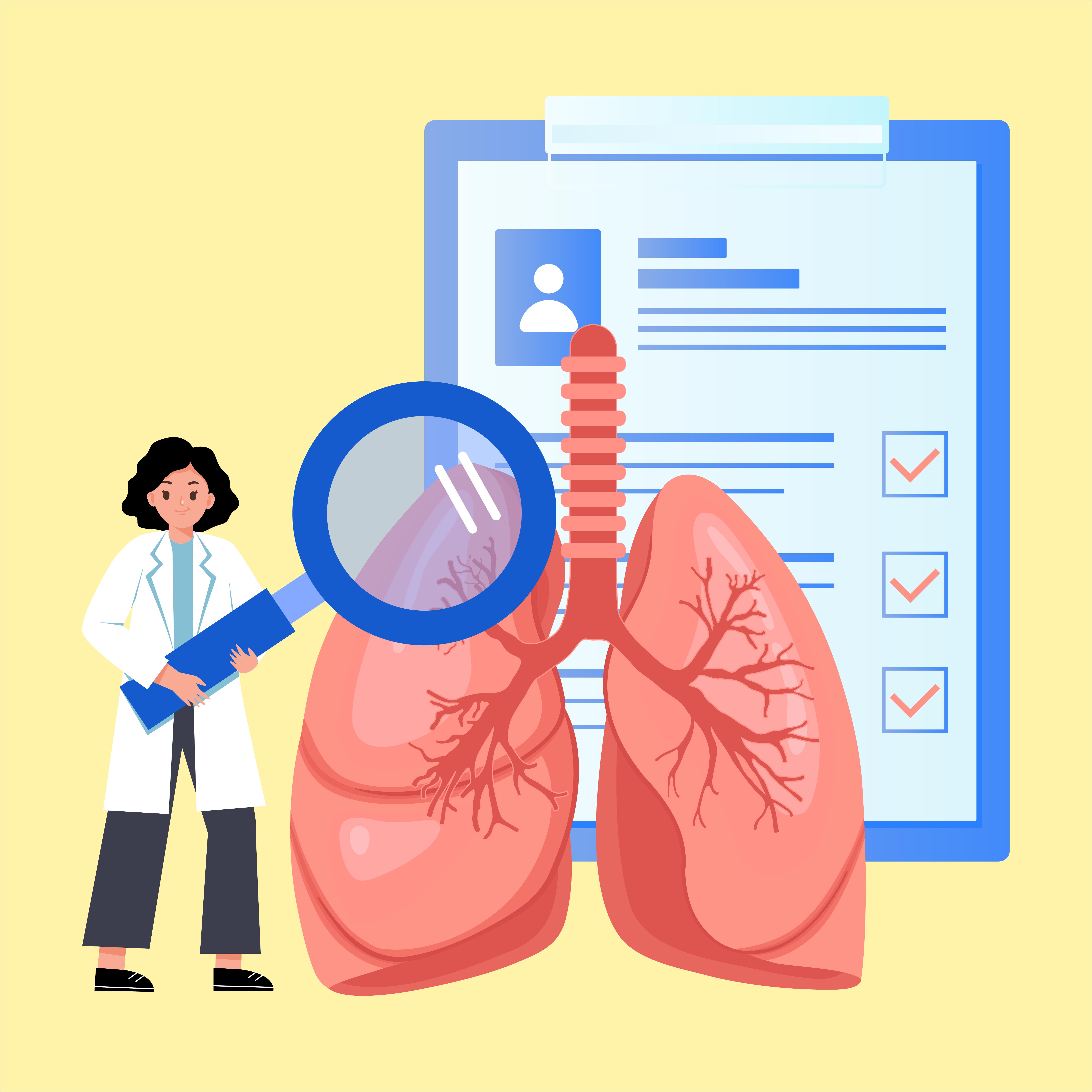
A sleep study (also called polysomnography) is the most accurate way to diagnose what's happening while you sleep. It records your brain activity, breathing patterns, oxygen levels, heart rhythm, and body movements throughout the night. This data helps your physician identify the root cause of your symptoms and create a personalized treatment plan.
At TriCity Lung & Sleep, we provide in-lab sleep studies at our accredited sleep centers in Bay City, Caro, and Bad Axe, Michigan. Every study is interpreted by our board-certified sleep physician, Dr. Saad S. Ahmad, who specializes in pulmonary medicine, sleep medicine, and critical care.
Before Your Sleep Study: How to Prepare
Sleep study preparation doesn't have to be complicated. In fact, we encourage you to keep things as normal as possible. Here's what we recommend:
What to Bring
- Comfortable sleepwear — Wear something you'd normally sleep in, like pajamas or a t-shirt and shorts. Avoid one-piece outfits since sensors will be placed on your chest and legs.
- Your pillow — If you have a favorite pillow, bring it along. Comfort helps you sleep better.
- Toiletries — Bring anything you need for your normal bedtime routine: toothbrush, face wash, medications.
- Something to relax — A book, tablet, or phone to help you unwind before lights out.
- Morning essentials — You'll head home first thing in the morning, so pack anything you need for the next day.
What to Avoid
- Caffeine after lunch — Coffee, tea, soda, and energy drinks can interfere with your ability to fall asleep.
- Daytime naps — Try to stay awake during the day so you're naturally tired at bedtime.
- Alcohol — It may seem like alcohol helps you sleep, but it actually disrupts your sleep cycles and can skew test results.
- Hair products — Avoid gels, sprays, or oils on the day of your study. Clean, dry hair helps the sensors stick properly.
Medications to Discuss
If you take any medications—prescription or over-the-counter—talk to your doctor ahead of time. Most medications are fine to continue, but some sleep aids or stimulants might need to be adjusted for the study. Don't stop taking any medication without your doctor's approval.
Arriving at the Sleep Lab: What the Experience Feels Like
When you arrive at one of our sleep centers in Bay City, Caro, or Bad Axe, you'll be greeted by a registered sleep technologist. These are trained professionals with years of experience—many of ours have been with us for over two decades. They know how to put patients at ease and make the process as smooth as possible.
Your Private Room
You won't be sharing a space with anyone. Each sleep study room is private, quiet, and designed to feel more like a hotel room than a medical facility. You'll have:
- A comfortable bed with fresh linens
- Climate control so you can set the temperature to your liking
- A private bathroom
- Dim lighting to help you relax
Some patients even tell us they sleep better here than they do at home.
Meeting Your Sleep Technologist
Your technologist will explain the entire process, answer your questions, and make sure you feel comfortable before anything begins. They'll walk you through what sensors will be used, where they'll be placed, and what happens during the night. You're in control—if you need a break or have concerns, just let them know.
During the Study: What Happens While You Sleep
This is the part that makes most people nervous: the sensors. Let's break down exactly what gets attached and why.
Sensor Placement (It's Not as Bad as It Sounds)
Your technologist will place small sensors on your body using gentle adhesive or medical tape. These sensors are completely non-invasive—they don't poke, prod, or hurt. Here's what gets monitored:
- EEG electrodes on your scalp and face measure brain waves and eye movements to track your sleep stages.
- EKG sensors on your chest monitor your heart rate and rhythm.
- Respiratory belts around your chest and abdomen measure your breathing effort.
- Nasal airflow sensor near your nose and mouth detects whether air is moving in and out.
- Pulse oximeter on your finger measures your oxygen levels.
- Leg sensors track any movements that might indicate restless legs or periodic limb movements.
Yes, there are wires—but they're bundled together and long enough that you can still roll over and move around. Most people forget they're even there once they start to drift off.
Lights Out: Falling Asleep
Once everything is in place, your technologist will dim the lights and leave the room. They'll monitor you from a separate control room using cameras and the data from the sensors. If you need anything—whether it's to adjust the temperature, use the bathroom, or just ask a question—you can speak up. The technologist is always listening and can communicate with you through an intercom.
"But Will I Actually Be Able to Sleep?"
This is the number one concern we hear. And here's the truth: yes, most people do fall asleep—even with the sensors. You might take a little longer than usual, and your sleep might be lighter than normal, but that's okay. We only need about four hours of recordable sleep to gather useful data.
If you do need to use the bathroom during the night, just let your technologist know. They'll come in and temporarily disconnect you so you can move freely. Then they'll reconnect everything when you're back in bed.
What the Technologist Monitors
Throughout the night, your technologist is watching for:
- Pauses in breathing (apneas)
- Shallow breathing (hypopneas)
- Drops in oxygen levels
- Abnormal heart rhythms
- Movements or behaviors during sleep
If you have severe sleep apnea, the technologist might start a CPAP titration during the second half of the night. This is called a "split-night study," and it means we're already working on finding the right treatment settings for you.
After the Study: What Happens Next
When you wake up in the morning, your technologist will remove all the sensors—this only takes a few minutes. You're free to get dressed, gather your things, and head home. Most people leave by 6 or 7 a.m., so if you have work or other commitments that day, you'll have plenty of time.
When Will I Get My Results?
Your sleep study data is sent to Dr. Ahmad for interpretation. He reviews every detail of your study—your sleep stages, breathing patterns, oxygen levels, heart rhythm, and any abnormal movements. This process typically takes a few days to a week.
Once the report is complete, we'll contact you and your referring physician with the results. If a diagnosis is made—such as obstructive sleep apnea, periodic limb movement disorder, or another sleep condition—we'll discuss your treatment options.
What Are My Treatment Options?
Treatment depends on your diagnosis, but common options include:
- CPAP therapy to keep your airway open during sleep
- Advanced titration studies using BiPAP or ASV for complex cases
- Lifestyle changes like weight loss, sleep position training, or avoiding alcohol
- Oral appliances fitted by a dentist
- Inspire therapy for patients who can't tolerate CPAP (read more about CPAP alternatives)
We also offer a free PAP clinic to help patients succeed with CPAP therapy. Our certified sleep health educators provide hands-on support, mask fitting, troubleshooting, and encouragement—because your long-term success matters to us.
Common Questions About Sleep Studies
"Will I Be Able to Sleep?"
Most people worry they won't sleep at all. In reality, you might sleep lighter or take longer to fall asleep, but the vast majority of patients do get enough sleep for the study to be successful. Our sleep centers are designed for comfort, and our technologists are trained to help you relax.
"Does It Hurt?"
No. The sensors are attached using gentle adhesive, tape, or elastic bands. Nothing is invasive, and nothing causes pain. The most you might feel is a slight tug if you move suddenly, but it's not uncomfortable.
"Can I Bring My Own Pillow?"
Absolutely. In fact, we encourage it. Anything that helps you feel more at home is welcome.
"What If I Have to Work the Next Day?"
Most people are able to go to work the morning after their sleep study. You'll leave the sleep center early, and while you might feel a bit groggy (just like any morning), most patients manage their day just fine. If you're concerned, consider scheduling your study on a night before you have a lighter day or a day off.
"What If I Need to Cancel or Reschedule?"
Life happens. If you need to reschedule, just let us know as soon as possible. We'll work with you to find a new time that fits your schedule.
Home Sleep Testing: A Convenient Alternative
Not everyone needs an in-lab sleep study. For patients with straightforward symptoms and no complicating health conditions, a home sleep apnea test (HSAT) might be a better fit.
With a home sleep test, you use a small portable device in the comfort of your own bed. It records your breathing, oxygen levels, and heart rate overnight. The next day, you return the equipment, and we analyze the results just like we would for an in-lab study.
Home testing is convenient, less expensive, and still provides accurate results for diagnosing obstructive sleep apnea. However, it's not appropriate for everyone. If you have complex medical conditions, suspect a disorder other than sleep apnea, or need a more detailed evaluation, an in-lab study is the better choice.
Your doctor will help determine which option is right for you. Read more about how to prepare for your home sleep test.
Why Choose TriCity Lung & Sleep for Your Sleep Study
When you choose TriCity Lung & Sleep for your sleep study in Bay City, Caro, or Bad Axe, MI, you're choosing:
- Board-certified expertise — Every study is interpreted by Dr. Saad S. Ahmad, who is triple board-certified in pulmonary medicine, sleep medicine, and critical care medicine.
- Accredited sleep centers — Our facilities meet the rigorous standards of the American Academy of Sleep Medicine (AASM).
- Experienced technologists — Our team includes registered polysomnographic technologists (RPSGTs) with decades of experience.
- Comprehensive care — From testing to diagnosis to treatment and long-term follow-up, we're with you every step of the way.
- Local, independent practice — We're not part of a large hospital system. You'll receive personalized, attentive care from a team that knows you by name.
Learn more about our sleep services or explore our pulmonary care options if you're also experiencing breathing issues.
Take the First Step Toward Better Sleep
If you're waking up tired, struggling with loud snoring, or noticing other signs you might need a sleep study, don't wait. Sleep disorders don't improve on their own—but with the right diagnosis and treatment, you can get back to feeling rested, energized, and healthy.
Contact us today to schedule your consultation or ask your doctor for a referral to TriCity Lung & Sleep. Our team is here to answer your questions, ease your concerns, and help you take control of your sleep health.
TriCity Lung & Sleep 📍 Bay City | Caro | Bad Axe, Michigan 📞 Call 989-778-1425 to schedule your sleep study
Looking for more sleep health resources? Visit the American Academy of Sleep Medicine or explore Sleep Education for patient-friendly information about sleep disorders and treatment options.
Share this post: